How AI‑Powered Wearables Are Redefining Personalized Health Monitoring
Author:James Murray
Released:January 23, 2026
In a world increasingly focused on personal health, efficient health monitoring is more important than ever. Traditional tracking methods often miss the mark, lacking personalization and timely insights. AI-powered wearables are changing how we monitor our health by delivering tailored solutions and advanced analysis to support individuals on their wellness journey.
Shortcomings of Traditional Health Monitoring
Standard health tracking devices frequently fall short, often providing inaccurate data that may lead users to overlook or misjudge their health conditions. Many wearables deliver generic information, which can create a false sense of security around one’s well-being. Additionally, the absence of real-time data updates can delay critical responses during health emergencies, leaving users vulnerable.
As a result, these flaws can severely impede users' ability to manage their health effectively, ultimately compromising their long-term wellness. Without precise information, individuals might perpetuate unhealthy habits or ignore essential health interventions. The urgent need for more advanced, accurate monitoring solutions drives the development of AI-powered devices that promise greater reliability and user-directed health decision-making.
The Rise of AI-Powered Wearables

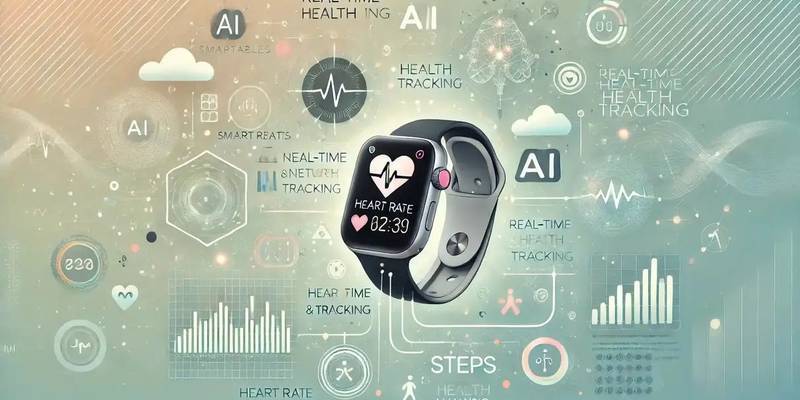
AI-powered wearables represent a leap forward in health technology. These devices, ranging from fitness trackers to smartwatches, enjoy a booming market presence due to their superior capabilities. Unlike traditional health gadgets that typically track basic information like steps taken or heart rate, AI wearables incorporate advanced sensors and smart algorithms to deliver real-time health data, enhancing personal healthcare.
Equipped with various sensors, including accelerometers, gyroscopes, and biometric monitors, AI wearables skillfully analyze collected data. For instance, the Oura Ring uses sleep and temperature data to warn users about potential health issues, prompting prompt attention. Similarly, the Apple Watch not only monitors heart rate but also performs ECGs, showcasing significant advancements in health tracking beyond older models.
By continuously learning from user data, AI wearables effectively process and interpret health metrics to provide personalized feedback, empowering users to make informed real-time decisions about their health.
Core Innovations in AI Wearables
Instant Feedback
AI wearables excel at real-time monitoring of vital signs, such as heart rate and oxygen levels, allowing users to make informed health choices quickly. This feature is particularly crucial when rapid evaluations are needed, such as in the case of unexpected heart rhythms. By providing immediate alerts and insights, wearables encourage timely actions like seeking medical assistance or modifying physical engagements.
Smart Data Analysis
Beyond simple monitoring, AI wearables utilize intelligent algorithms to analyze health data and highlight trends over time. These sophisticated systems analyze vast datasets, identifying subtle changes in vital signs that may signal emerging health concerns. By connecting this fresh information with the individual’s historical health data, these devices can forecast potential health issues, enabling early intervention before serious complications arise, such as chronic illnesses.
Clear Data Visualization
One important advantage of AI wearables is their intuitive interfaces that transform complex health information into understandable visuals. Easily navigable charts and graphs help users quickly comprehend their health status. Providing clear visual representations not only fosters better understanding but also empowers individuals to track their health progress effectively. These visuals also stimulate conversations about health management, reinforcing users' engagement in their wellness.
Real-World Applications and Health Benefits
AI-powered wearables are reshaping the management of chronic conditions like diabetes and heart disease. Smart devices such as glucose monitors that connect to mobile apps provide instant blood sugar readings, enabling patients with diabetes to adjust their insulin dosages based on changing levels.
Likewise, heart monitors equipped with smart algorithms can identify anomalies in heart rhythms, alerting users to possible issues such as arrhythmias or heart failures. This immediate response capability allows users to manage their conditions more efficiently and adhere to treatment plans.
Moreover, these wearables can be seamlessly incorporated into personalized health strategies, tailoring recommendations based on individual health data. By examining aspects such as activity levels, sleep quality, and eating habits, AI can craft actionable insights that promote healthier lifestyle choices.
The data generated can also enhance interactions between patients and healthcare providers. By securely sharing their health metrics, patients can keep their doctors informed, facilitating timely interventions and personalized advice based on real-time data. As wearable technology advances, the potential for personalized health management continues to grow, reflecting current trends in digital healthcare integration.
Looking Ahead: The Future of AI Wearables
Looking ahead, several exciting trends in AI wearables are emerging. Enhanced accuracy in health tracking is crucial, with wearables expected to feature advanced sensors and algorithms that not only track vital signs more precisely but also provide integrated health insights, seamlessly linking with smartphones and health applications. Such integrations will enable a comprehensive understanding of individual health, leading to actionable recommendations.
Equally, increased accessibility and affordability will make these innovative devices indispensable for daily health monitoring. As technology advances and prices decline, a larger demographic, regardless of income, will be able to access AI wearables for personalized health insights.
Another promising trend includes collaborative efforts with healthcare professionals, showcasing wearables as a connection between patients and doctors. This relationship could foster customized treatment plans, with insights gained from wearables informing medical decisions, thus enhancing health outcomes. With these advances in mind, AI wearables will move beyond mere health monitoring and evolve into essential tools for personalized healthcare management.
Take Charge of Your Health Today
AI-powered wearables offer exceptional advantages in health monitoring by providing tailored insights that traditional devices often overlook. These innovative tools enable real-time tracking and encourage proactive health management, leading to better health outcomes.
Integrating AI wearables into your daily life lets you take control of your wellness, making well-informed health decisions based on reliable data. Explore the diverse options available and start your health monitoring journey today to make a significant difference in your life!
Don't Miss

Domain-Specific AI Models Are Quietly Taking Over Enterprises

Multimodal AI in 2026: Why Text, Image, Voice, and Video Models Are Merging

Top AI Trading Tools and Apps for Smarter Stock Analysis & Investing

AI Medical Scribes: Cutting Clinician Burnout With Automated Documentation

How AI Detects Fraud In Banking: Simple Breakdown For Beginners